The Reusable Comeback: What Changing Customer Habits Mean for Businesses That Buy Disposables in Bulk
It started with straws. Then it was plastic bags. Then coffee cups. Now, the slow-rolling cultural reckoning with single-use products has reached a point where businesses that rely on disposables need to pay attention — not because the category is disappearing, but because the demand patterns are quietly, meaningfully changing.
Call it disposable fatigue. It's the growing sense among a significant chunk of American consumers that single-use is no longer a neutral choice. And while it hasn't triggered a mass exodus from the disposable market, it has begun reshaping purchasing behavior in ways that ripple directly into business supply chains.
What's Actually Driving the Shift
This isn't one trend — it's several converging at once.
First, there's the social media effect. Viral videos showing ocean plastic, overflowing landfills, and wildlife affected by single-use waste have accumulated years of emotional weight. Platforms like TikTok and Instagram have turned environmental guilt into a shareable experience. A clip of a plastic straw removed from a sea turtle's nostril doesn't just rack up views — it changes behavior. Research from NielsenIQ found that 73% of global consumers say they would "definitely" or "probably" change their consumption habits to reduce environmental impact, and younger U.S. consumers are driving that number up.
Second, legislation is accelerating the shift. As of 2024, more than a dozen U.S. states have implemented some form of single-use plastic restriction. California, New York, Colorado, and Maine have passed sweeping plastic bag laws. Several cities — including Seattle, San Francisco, and Washington D.C. — have gone further, banning or heavily taxing foam containers, plastic cutlery, and single-use cups. When customers can no longer get a plastic bag at checkout, they adapt. And once they adapt, they often don't go back.
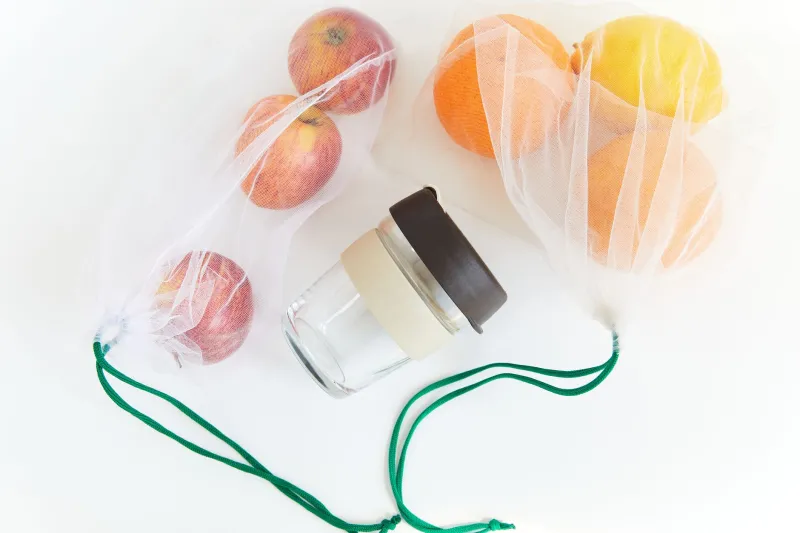
Third, the reusable product market has gotten dramatically better. Stainless steel water bottles, silicone food storage bags, bamboo utensil sets — these products have moved from niche health-food-store territory into mainstream retail. When a reusable alternative is convenient, affordable, and aesthetically appealing, the calculus changes for a lot of consumers.
Which Disposable Categories Are Feeling It First
Not all single-use products are under equal pressure. The categories seeing the most noticeable demand softening tend to share a few traits: high visibility, strong emotional association with waste, and the existence of a practical reusable alternative.
Single-use plastic drinkware is probably the most affected category right now. Plastic cups, plastic straws, and plastic lids are facing both consumer rejection and legislative headwinds simultaneously. Coffee shops that made the switch to paper straws or lidless cup designs years ago are now seen as ahead of the curve, not as inconvenient outliers.
Plastic grocery and produce bags have seen a steep drop in demand in regulated markets. Businesses in states with bag bans have largely transitioned, but the ripple effect has moved upstream — distributors and packaging manufacturers have had to restructure their product lines.
Disposable coffee pods (think K-Cups and similar single-serve formats) have faced sustained criticism for their waste footprint. While the category hasn't collapsed, the rise of reusable pod inserts and a cultural shift toward pour-over and French press coffee among younger consumers has created measurable headwinds.
Single-use food storage containers, particularly plastic clamshells and foam takeout boxes, are under growing pressure as more cities adopt extended producer responsibility (EPR) laws and compostability requirements.
By contrast, categories like disposable medical supplies, sanitation products, and industrial-use items are far more insulated. The hygiene and safety rationale for single-use in these contexts remains strong, and consumer sentiment hasn't meaningfully shifted against them.
How This Plays Out in the Supply Chain
For businesses that purchase disposables in volume — restaurants, event venues, offices, hospitality operators — the behavioral shift creates a few distinct operational challenges.
Demand forecasting gets harder. When customer preferences are in flux, historical order data becomes less reliable as a planning tool. A catering company that ordered 10,000 plastic forks per quarter based on two years of data might find that number needs revisiting as clients start requesting reusable or compostable alternatives.
Inventory transitions create waste of their own. Switching product lines mid-supply cycle means dealing with existing stock that may no longer align with your brand positioning or local regulations. Businesses that act proactively — phasing out non-compliant or unpopular items before they become a problem — fare better than those who wait until the issue is urgent.
Supplier relationships matter more. As the product landscape shifts, having suppliers who can quickly pivot to compostable, recycled-content, or regulation-compliant alternatives is a genuine competitive advantage. Businesses locked into single-supplier contracts for legacy products may find themselves scrambling.
What Smart Operators Are Doing Differently
The businesses navigating this shift most effectively aren't abandoning disposables — they're being more intentional about which disposables they use and how they talk about them.
Some are conducting what amounts to a disposable audit: going category by category through their supply list and asking whether each product is likely to face regulatory or consumer pressure in the next two to three years. It's a proactive exercise, but it prevents reactive scrambling later.
Others are leaning into the language of purpose. Rather than defaulting to single-use products across the board, they're positioning disposables as the right tool for the right job — emphasizing hygiene, convenience, and safety in contexts where those arguments are strongest, while offering alternatives where they're not.
And some are simply listening to their customers more closely. Guest comment cards, online reviews, and direct feedback increasingly surface preferences around packaging and serviceware. Operators who treat that feedback as purchasing intelligence — rather than noise — are better positioned to stay ahead of the curve.
The Bottom Line for Businesses That Buy Disposables
Disposable fatigue doesn't mean the end of the single-use market. It means the market is maturing, differentiating, and demanding more from the businesses that participate in it. The operators who will thrive aren't the ones who dig in and defend every plastic product they've ever used — they're the ones who understand that smart disposable sourcing in 2025 means being selective, staying informed, and building enough flexibility into your supply chain to adapt when the rules change.
At Disposable Shop, we see this shift not as a threat but as a chance to do the sourcing work better. The right single-use product, in the right application, for the right customer — that's still a winning formula. It just takes a little more thought than it used to.