Why Disposable Products Keep Going Out of Stock — And How to Never Get Caught Short Again
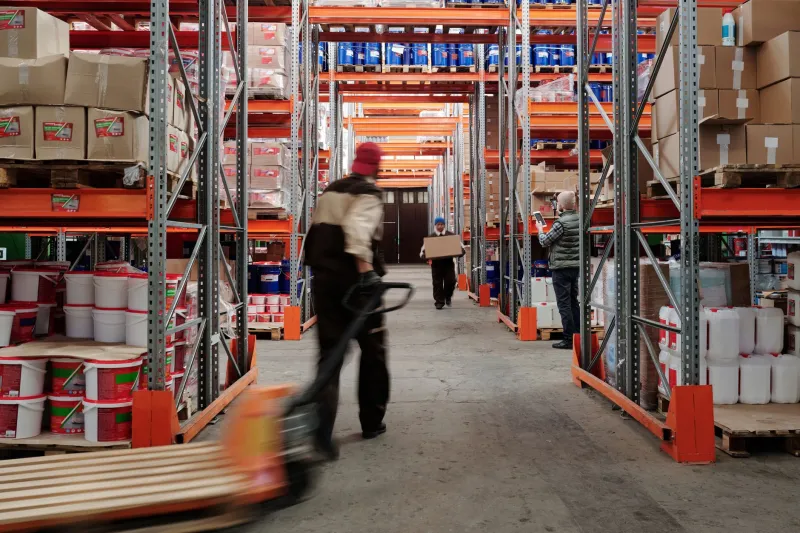
You found your perfect disposable product. The right weight, the right size, the right price point. You've been ordering it for months without a second thought. Then one day you log in to reorder and see it: Out of Stock. Expected restock: Unknown.
Frustrating? Absolutely. Avoidable? Often, yes — if you understand what's driving these gaps and adjust your buying habits accordingly.
Disposable supply shortages aren't random. They follow patterns rooted in global manufacturing, raw material availability, shipping logistics, and demand spikes that are actually pretty predictable once you know what to look for. Let's break it down.
Why Disposable Supplies Are Especially Vulnerable to Shortages
Not all product categories are equally exposed to supply chain disruption. Disposables have a few characteristics that make them particularly susceptible.
High volume, thin margins. Most disposable products are manufactured in enormous quantities at tight margins. That means suppliers and distributors don't carry huge safety stock — they're running lean. When something disrupts the flow, there's very little buffer.
Concentrated manufacturing. A significant share of disposable products sold in the US — particularly gloves, plastic packaging, and foam products — are manufactured overseas, with large portions coming from Asia. When shipping costs spike, port congestion hits, or production in key regions slows, the effects ripple through the entire supply chain.
Raw material dependency. Many disposables are petroleum-based, meaning their production costs and availability are tied to oil prices. When crude prices climb, resin prices follow, and manufacturers may slow production or raise prices — both of which contribute to availability issues. Paper-based products face their own pressures from pulp and fiber markets.
Demand surges are hard to predict. The COVID-19 pandemic demonstrated this dramatically. Demand for gloves, masks, and sanitation-related disposables exploded almost overnight. Manufacturers simply couldn't scale fast enough. Similar (if smaller) demand spikes happen regularly around flu season, major events, or regional emergencies.
The Patterns Behind the Stockouts
If you pay attention, you'll start to notice that certain product categories go out of stock at predictable times.
Seasonal demand cycles affect categories like disposable tableware (which spikes around summer holidays and the fall/winter entertaining season), hand sanitizer and sanitation supplies (which trend up in fall and winter), and food prep disposables (which track with catering and foodservice busy seasons).
Post-holiday restocking gaps are common in January and February, when manufacturers are ramping back up after end-of-year slowdowns and shipping lanes are congested with post-holiday freight.
News-driven panic buying is a real phenomenon. A regional outbreak, a major recall in a related product category, or even a widely-shared social media post can trigger sudden demand spikes that wipe out inventory in hours.
Understanding these patterns is your first line of defense.
Smart Inventory Strategies for Businesses
If your operation depends on a consistent supply of disposables — whether you're running a restaurant, a salon, a medical office, or a warehouse — here's how to build a more resilient approach.
Establish a reorder point, not a reorder habit. Instead of ordering when you run low, set a defined inventory threshold that triggers reordering. For high-turnover items, that might mean keeping a 30- to 60-day supply on hand at all times. The exact number depends on your usage rate and how quickly you can realistically get restocked.
Identify your critical items and treat them differently. Not all your disposables are equally mission-critical. Nitrile gloves for a dental practice are not the same as paper napkins for a break room. Prioritize buffer stock for items where a shortage would directly impact operations or compliance.
Diversify your product options. If your operation can tolerate slight variations — a different brand of disposable tray, a comparable alternative glove weight — identify those substitutes before you need them. When your primary product goes out of stock, you'll have a fallback ready.
Consider scheduled bulk orders over reactive spot buying. Buying in bulk isn't just about cost savings — it's about supply security. A quarterly bulk order of your core disposables is far more reliable than scrambling to reorder every few weeks. At Disposable Shop, bulk ordering is one of the most practical tools businesses have for staying ahead of shortages.
Watch for restock notifications. Most reputable e-commerce suppliers offer back-in-stock alerts. Use them. Setting up notifications for your critical items costs you nothing and gives you a jump on restocks before they sell out again.
Tips for Everyday Shoppers, Too
You don't have to be running a business to benefit from smarter buying habits. If you're a household that goes through disposable supplies regularly — whether that's trash bags, food storage items, or cleaning supplies — a few simple adjustments can save you a lot of hassle.
- Buy ahead of your need, not in response to it. If you notice you're on your last roll of something, that's already a little late. Aim to reorder when you're at about 25% of your supply.
- Avoid panic buying. Buying six months of supply at once might feel reassuring, but it contributes to the exact shortages that cause the stress in the first place. Moderate buffer stock — a month or two — is the sweet spot.
- Stay flexible on brand. Brand loyalty is fine when supply is stable, but during shortage periods, being open to comparable alternatives keeps you stocked without overpaying on the secondary market.
The Bigger Picture
Supply chain disruptions aren't going away. Global manufacturing, shipping logistics, and raw material markets are all subject to ongoing volatility. What changes is how prepared you are to deal with them.
The businesses and households that handle shortages best aren't the ones who panic-buy or get lucky — they're the ones who've built a little strategic cushion into their buying habits. It doesn't require a complicated system. It just requires paying attention to what you use, when you use it, and what it would cost you to run out.
At Disposable Shop, our job is to keep a wide range of single-use supplies available and delivered reliably to your door. Your job is to give yourself enough lead time to let that work. Together, that's a pretty solid system.