Bleeding Budget: The Hidden Ways Your Business Wastes Disposable Supplies Every Single Day
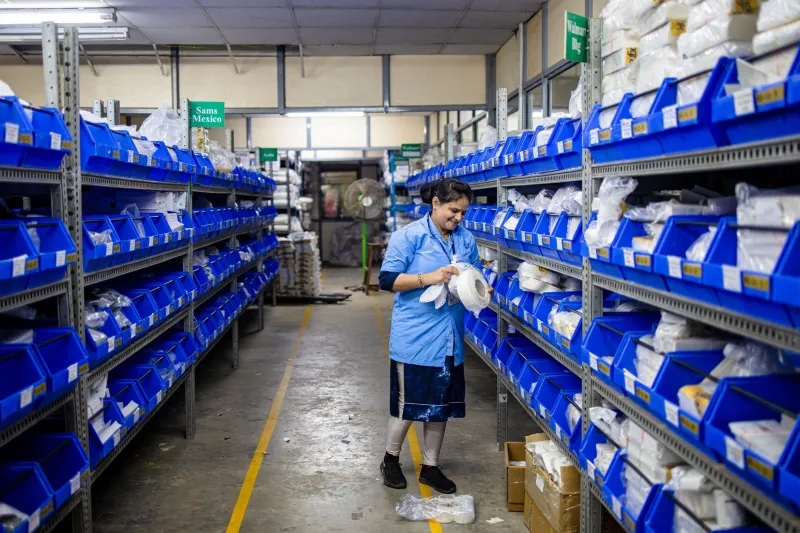
Here's a scenario that plays out in businesses across the country every week: a manager notices the supply closet is running low on disposable gloves, puts in a bulk order, and then discovers — a few days later — two half-crushed cases sitting behind the mop bucket they forgot about. Sound familiar?
Disposable supplies are, almost by definition, treated as throwaway items. That mindset makes sense when you're talking about the product itself. The problem is when that same throwaway attitude gets applied to how businesses manage those supplies. The waste adds up fast, and most operations don't catch it until it's already done serious damage to the bottom line.
Let's dig into where that waste actually comes from — and what a few smart businesses have done to stop it.
The Overordering Trap
Bulk buying is supposed to save money. And it can — when it's done with intention. But a lot of businesses bulk order out of anxiety rather than strategy. They've been caught short once, maybe during a busy season or a supply chain hiccup, and now they overcorrect by keeping way more inventory than they'll ever realistically burn through.
The issue isn't just the upfront cost. Excess inventory ties up storage space, creates clutter, and — critically — increases the chance that products will expire, degrade, or get damaged before they're ever used. Disposable food service containers, for example, can warp or crack if stored in fluctuating temperatures. Latex gloves deteriorate over time, especially when exposed to UV light or humidity. You might be paying for product that's quietly becoming unusable on your own shelves.
A regional catering company in the Midwest audited their supply closet after noticing their disposable supply budget kept creeping up quarter over quarter. What they found surprised them: nearly 18% of the product they'd ordered over the previous year had been thrown away unused — either because it had degraded in storage or because staff had tossed partially used boxes to avoid "mixing" with new stock. A simple inventory rotation policy and a cap on reorder quantities cut their annual spend by just over 30%.
Storage Conditions Nobody Thinks About
Most businesses don't have a dedicated, climate-controlled storage room for their disposable supplies. They've got a back closet, a corner of the stockroom, or a shelf in the break room. That's fine — but it means storage conditions are rarely optimized, and the cost of that neglect tends to be invisible until someone actually looks.
Moisture is a major culprit. Disposable paper products — napkins, towels, cups — absorb humidity and can become unusable or unsanitary if stored near sinks, dishwashers, or exterior walls in humid climates. Single-use food packaging can trap odors from nearby cleaning supplies, making the product technically intact but practically unusable.
A small restaurant group operating out of three locations in the Southeast started experiencing customer complaints about a faint chemical smell from their to-go containers. After some digging, they traced it back to storage placement — the containers were sitting directly next to industrial cleaning supplies in a poorly ventilated storage area. The fix was free (just rearranging shelves), but the waste they'd already incurred from tossed product and the reputational hit wasn't.
The takeaway: storage isn't passive. It's an operational decision that directly affects how much of what you buy actually gets used.
The Employee Misuse Problem (It's More Common Than You Think)
This one's a little uncomfortable to talk about, but it's real: employee misuse of disposable supplies is one of the most consistent sources of waste in businesses of every size.
This isn't necessarily about theft (though that happens too). More often, it's just casual over-consumption. Grabbing a handful of disposable gloves instead of one pair. Taking more napkins than needed for a setup and tossing the extras. Using nitrile exam gloves for tasks that would be fine with cheaper alternatives. None of these feel like big deals in the moment, but across a team of twenty people doing it every day, it absolutely is.
A food manufacturing facility in Texas ran a controlled experiment: they tracked disposable supply consumption per shift for 90 days without telling employees they were doing so, then introduced a brief training session about appropriate usage and consumption norms, and tracked for another 90 days. Glove consumption dropped by 22%. Disposable apron usage fell by nearly 35%. Nothing changed except awareness.
The lesson here isn't to police your employees. It's to set clear expectations and make sure people understand that disposable doesn't mean free.
How to Actually Audit Your Own Operation
You don't need a consultant or a complicated spreadsheet to figure out where your disposable supply waste is hiding. Here's a straightforward approach that any operations manager can run in a week:
Step 1: Count what you have. Walk every storage area and take a physical count of every disposable product on hand. Note the condition of each — is it properly sealed? Stored correctly? Past any recommended use-by date?
Step 2: Compare to your order history. Pull your last 12 months of purchasing data for disposable supplies. What did you order, and when? Does the volume on hand match what you'd expect given your typical usage rate?
Step 3: Watch the consumption floor. Spend a couple of days just observing how disposables are used in your operation. Are people grabbing more than they need? Are partially used boxes getting tossed? Are the right products being used for the right tasks?
Step 4: Set a baseline and a target. Once you know what you're actually spending and where the leakage is, set a realistic reduction target. Even a 15% cut in disposable supply waste can translate to meaningful savings over a year.
Small Changes, Real Money
The businesses that get this right aren't doing anything radical. They're just paying attention to a category that most operations treat as background noise. Disposable supplies feel cheap on a per-unit basis, which makes it easy to ignore the cumulative cost of mismanaging them.
But when you add up overordering, spoilage from poor storage, and everyday employee over-consumption, the numbers get significant quickly — especially for businesses operating at scale or running on tight margins.
The good news is that the fixes are usually simple. Better storage organization. Clearer usage guidelines. Smarter reorder thresholds. None of it requires a big investment. It just requires treating disposable supplies like the real budget line item they are — because that's exactly what they are.